Farm to Cup: Why Traceability Matters in Ethiopian Coffee
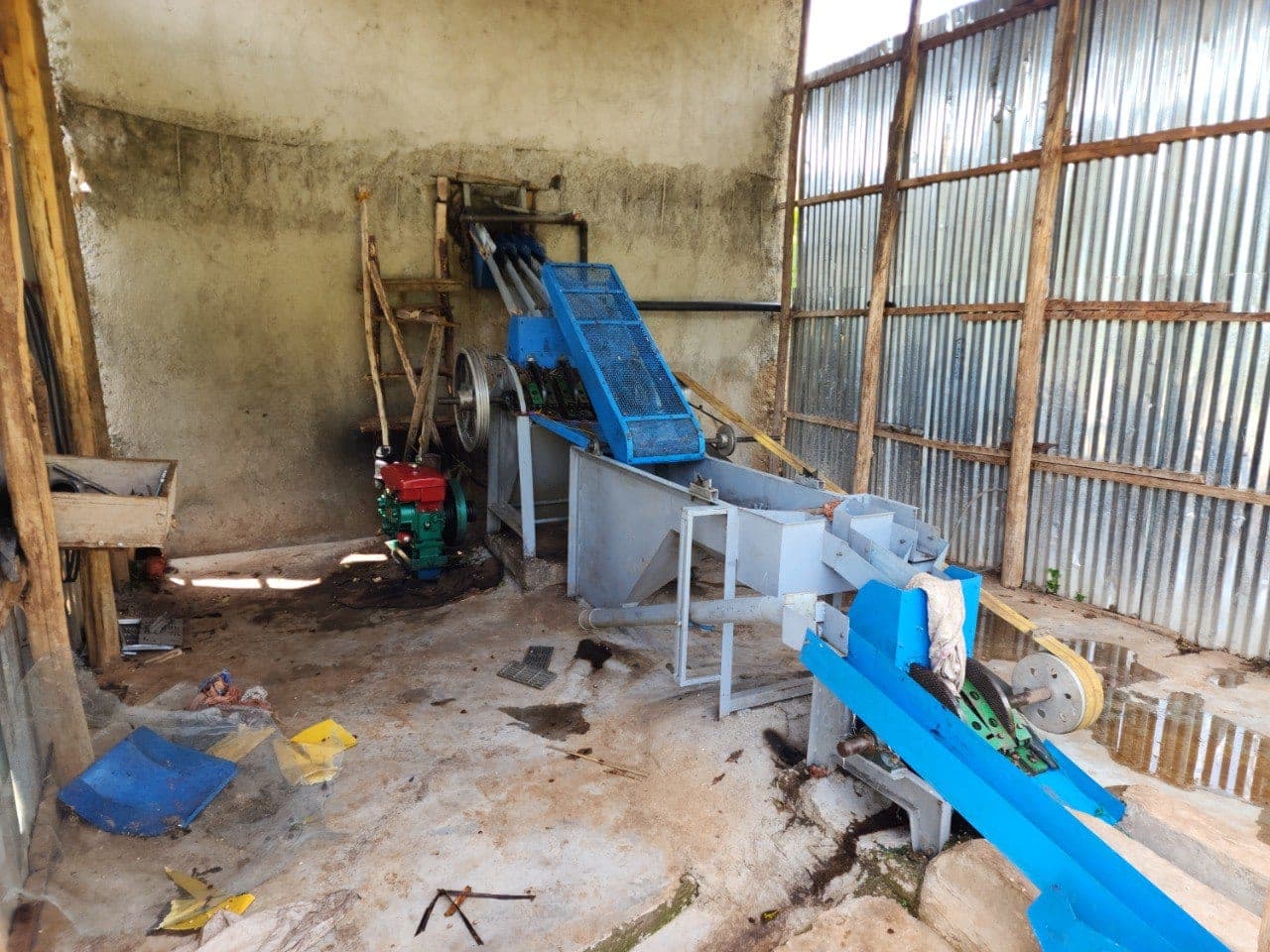
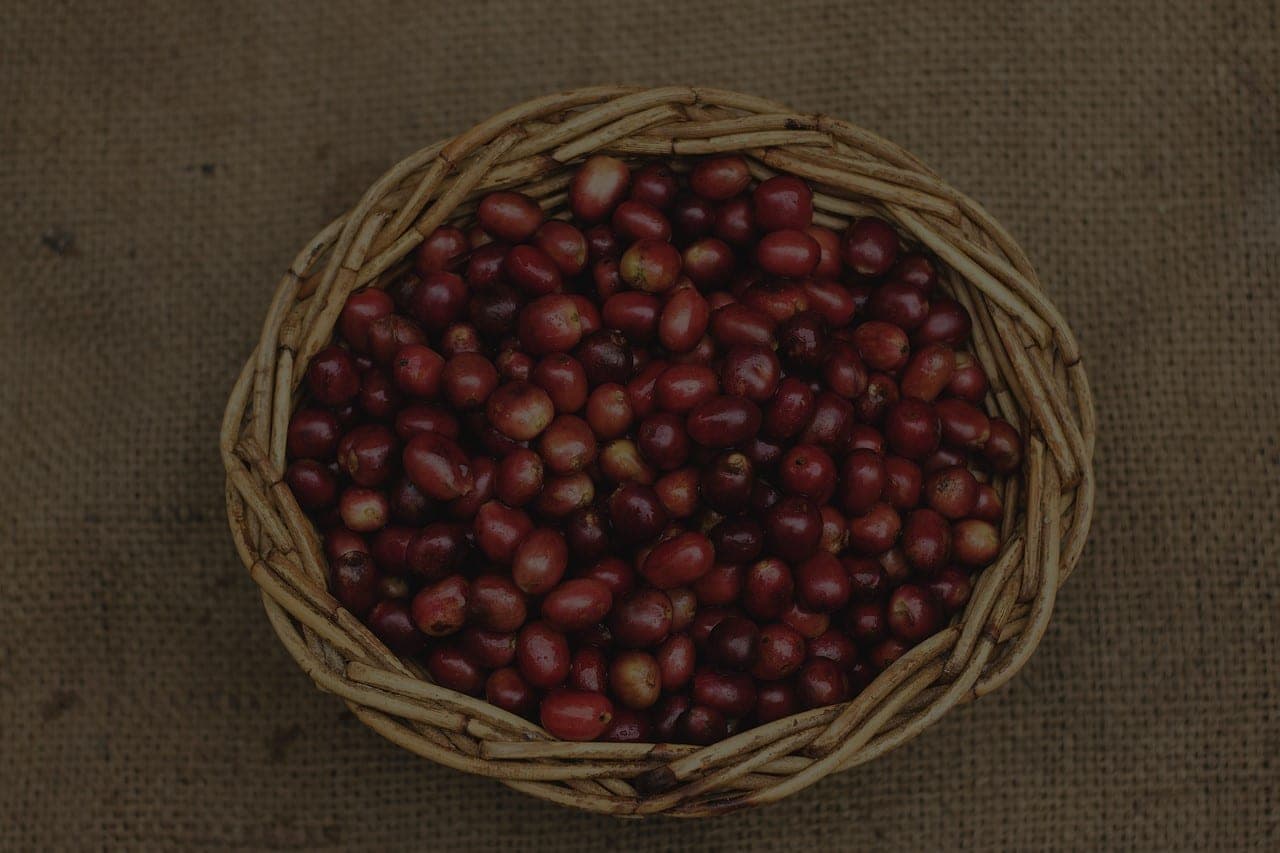
For most of coffee's history, a bag of Ethiopian green coffee carried little more information than a region name. Traceability flips that: it answers which washing station processed the lot, at what altitude it grew, who harvested it and when.
What traceability means in practice
- •Lot-level records: site, variety, altitude, process and harvest window
- •Segregated storage — lots are never blended across sites
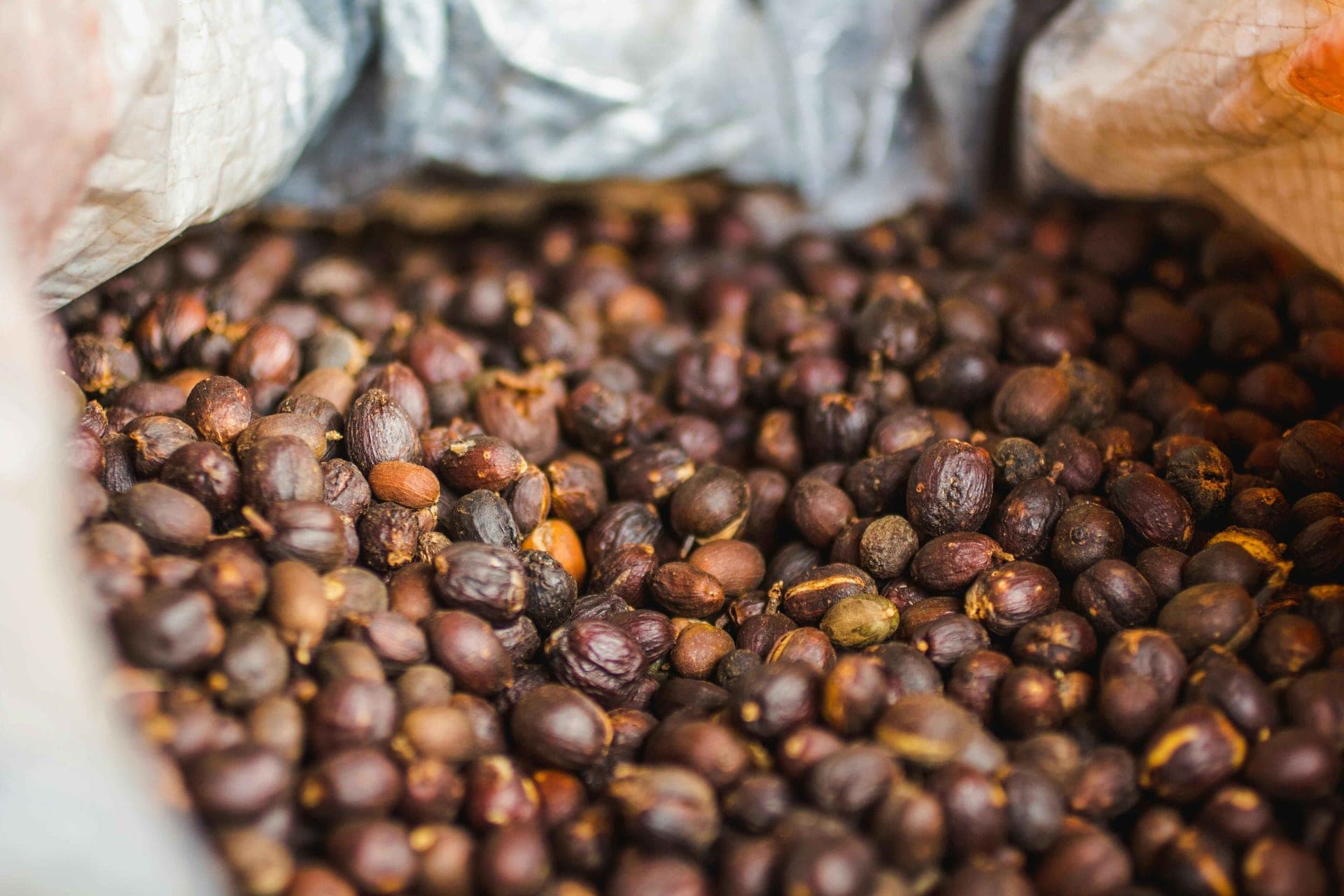
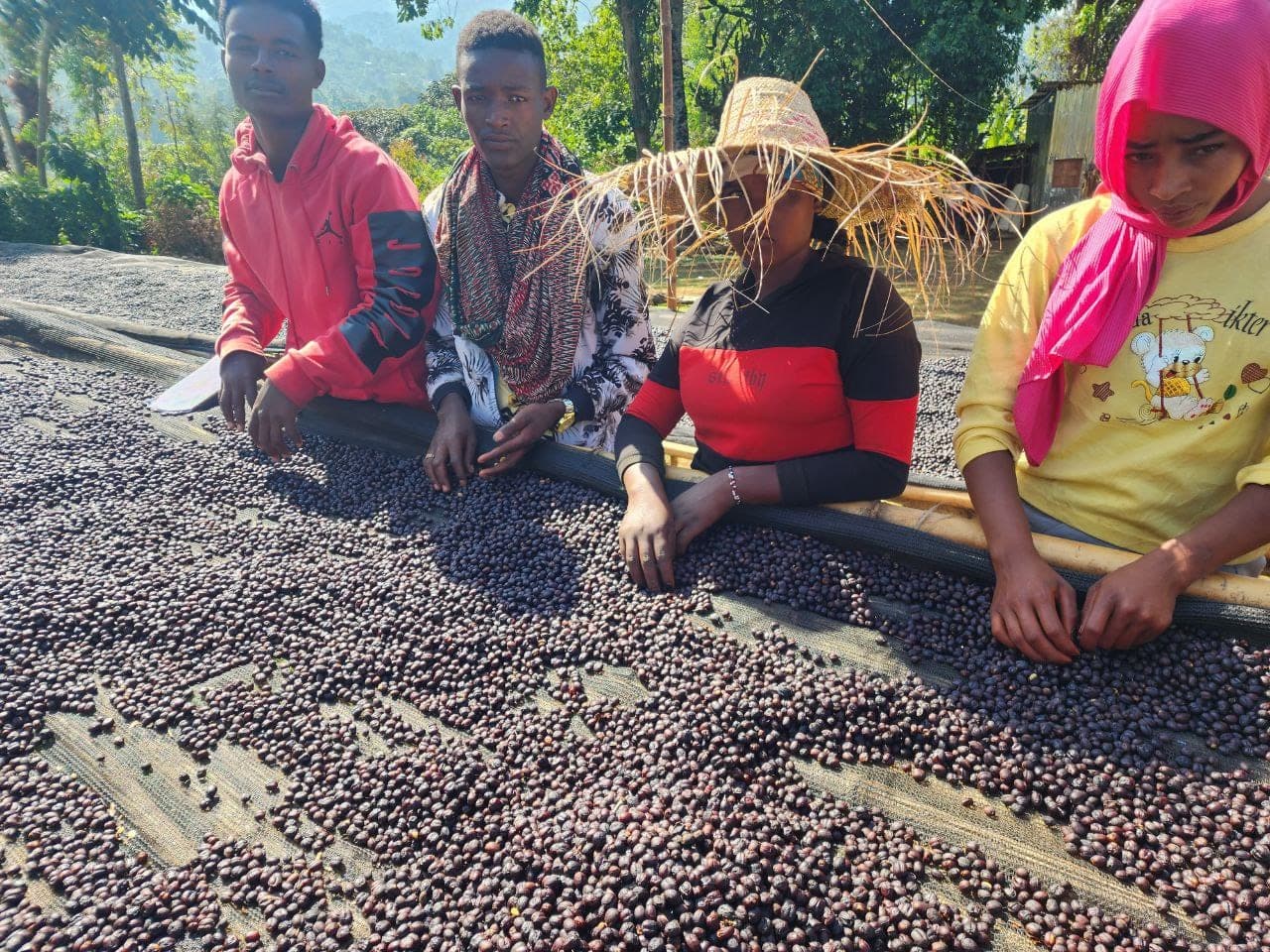
- •Documented drying times and moisture readings per bed
- •Direct relationships with the farmers delivering each cherry
Why roasters care
Traceable coffee is verifiable coffee. Roasters can reproduce a profile year after year, tell the true story of a coffee on the bag, and stand behind sustainability claims with evidence rather than marketing. For importers, clean documentation shortens every step from ECX warehouse to destination port.
Why farmers care even more
When a roaster knows the name behind a lot, quality pays better. Premiums flow to the specific site and community that produced the cup, creating a direct incentive for careful picking and meticulous drying.
“Traceability is not paperwork — it is the bridge between a hillside in Nensebo and a café in your city.”
Every site in our portfolio publishes its origin data — altitude, variety, process and harvest period. Start with Our Sites, or reach out via the contact page for detailed lot sheets for the current crop.