Washed vs Natural vs Anaerobic: A Guide to Coffee Processing
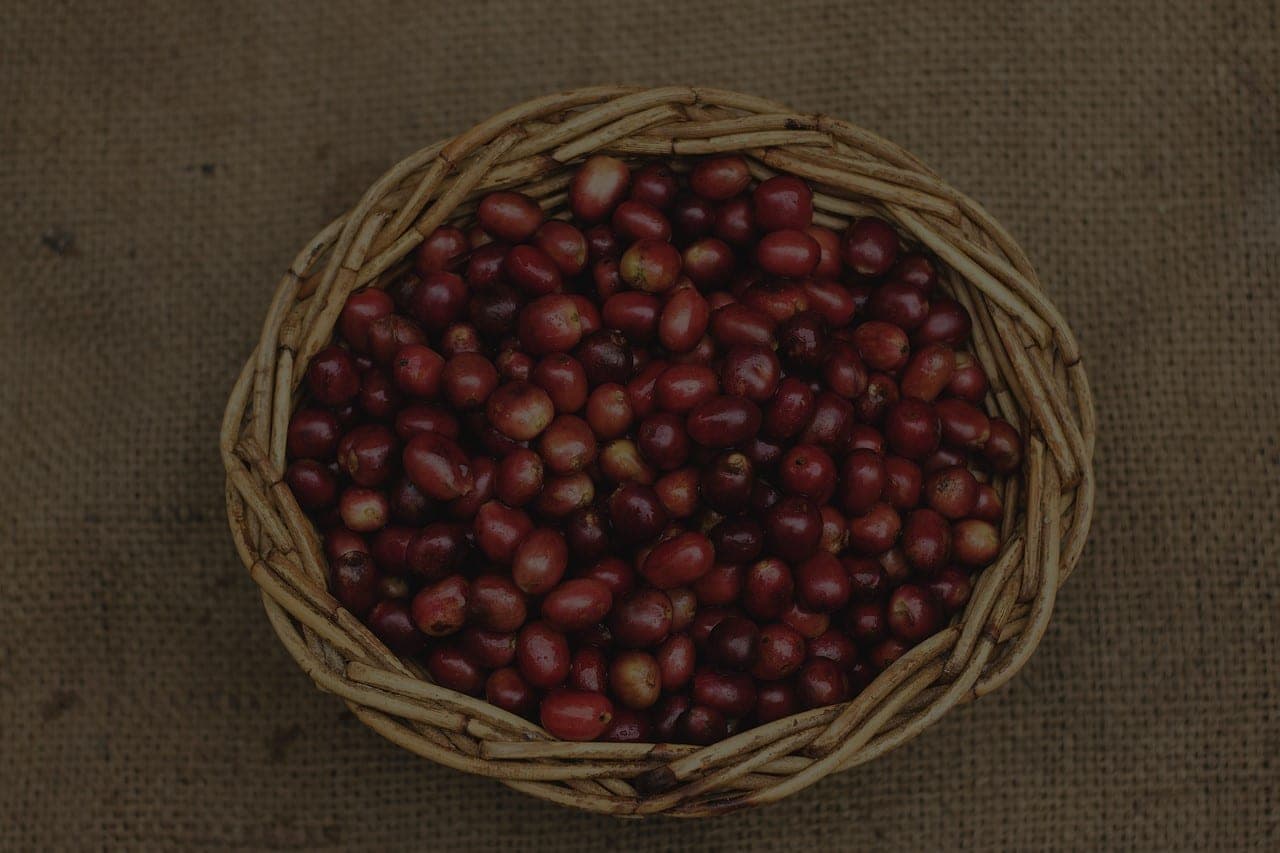
Processing is where a coffee's personality is decided. Once the cherry is picked, the producer chooses how to remove the fruit from the seed — and that single decision can swing the cup from crystal-clean to wildly fruity.
Washed (wet process)
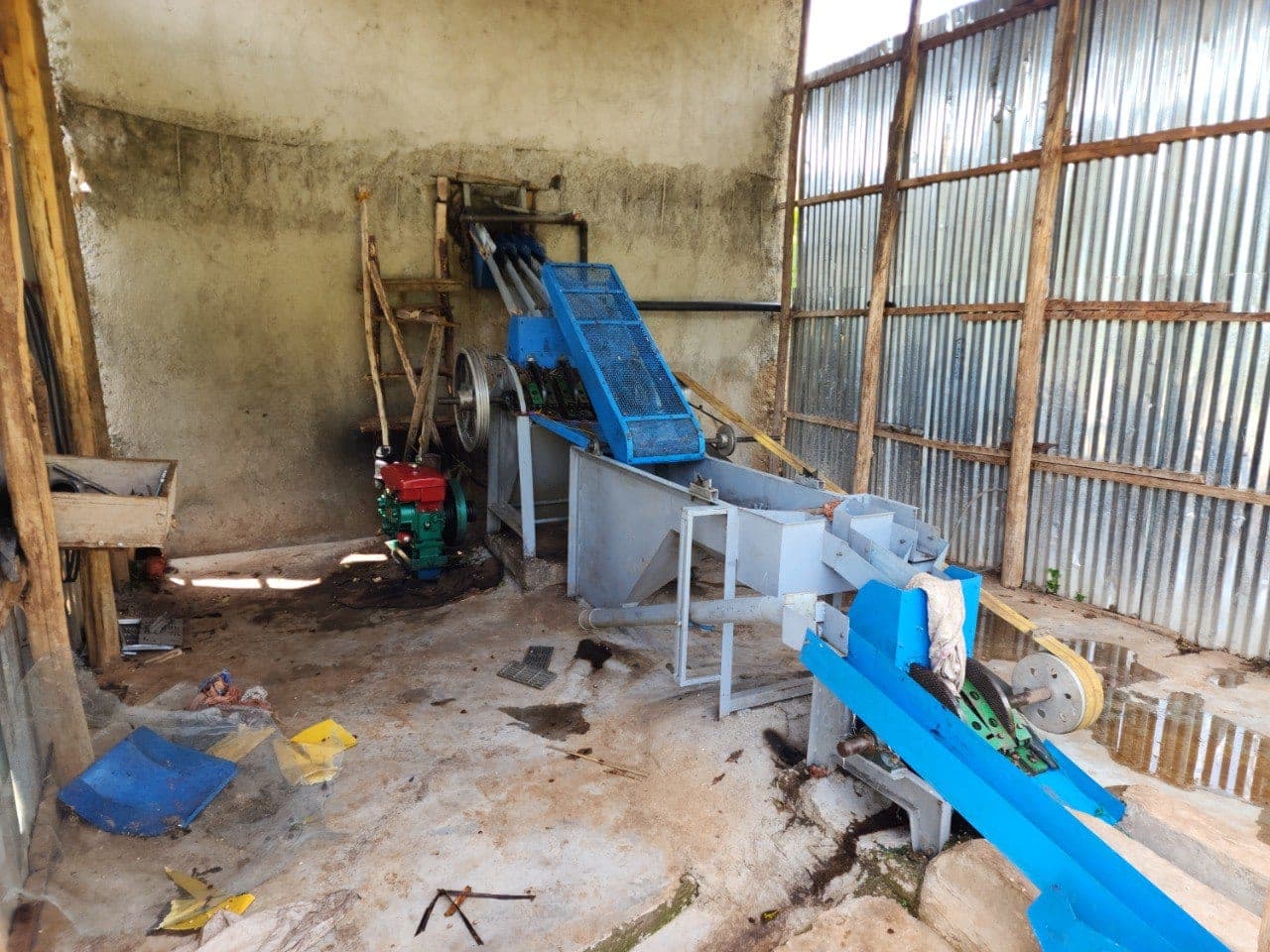
The cherry skin and mucilage are removed in washing channels before the beans dry on raised beds. Washing highlights the intrinsic character of the bean: clean acidity, tea-like body and transparent fruit notes. It is the most technically demanding process — fermentation, channel management and drying must be controlled daily.
Natural (sun-dried)
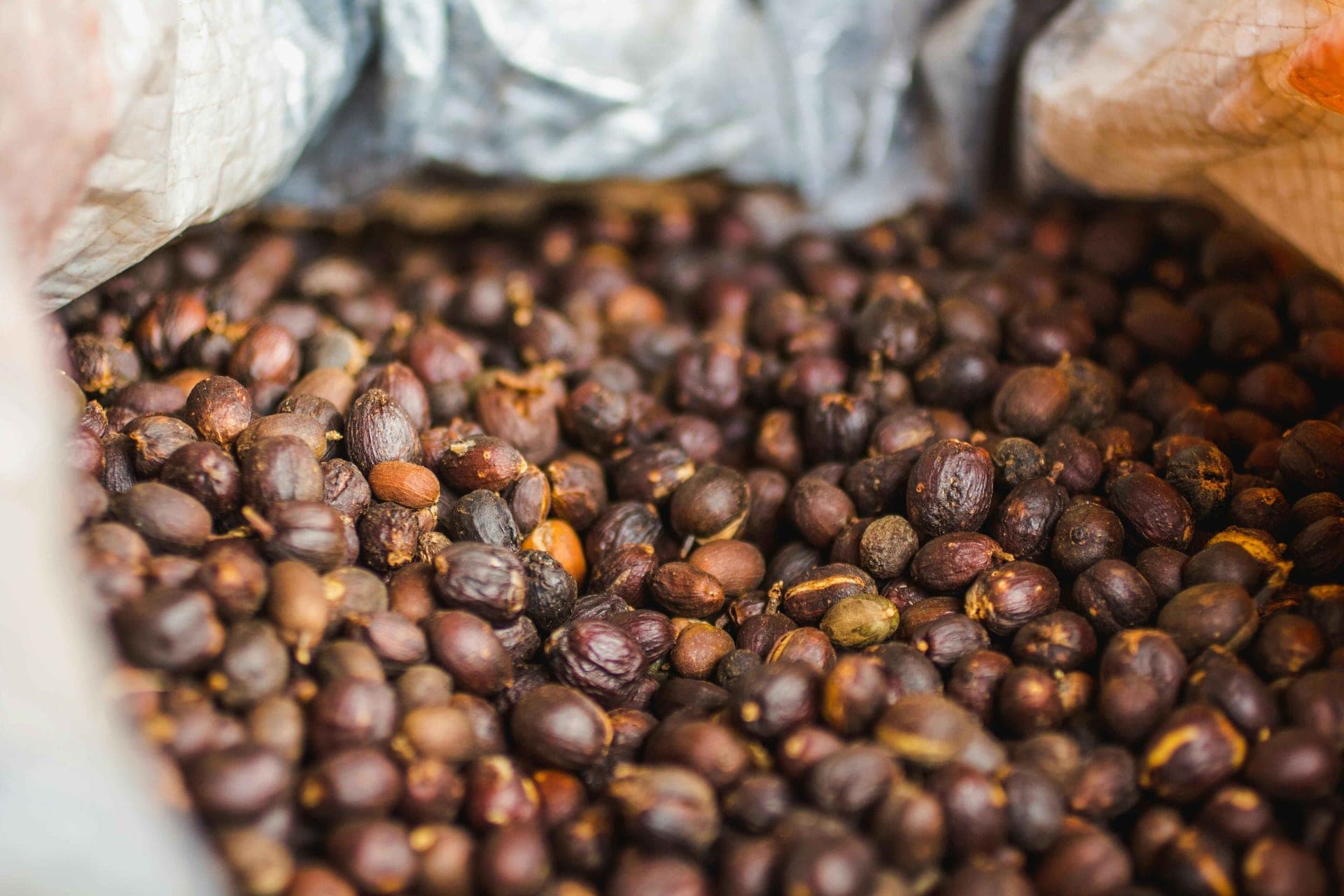
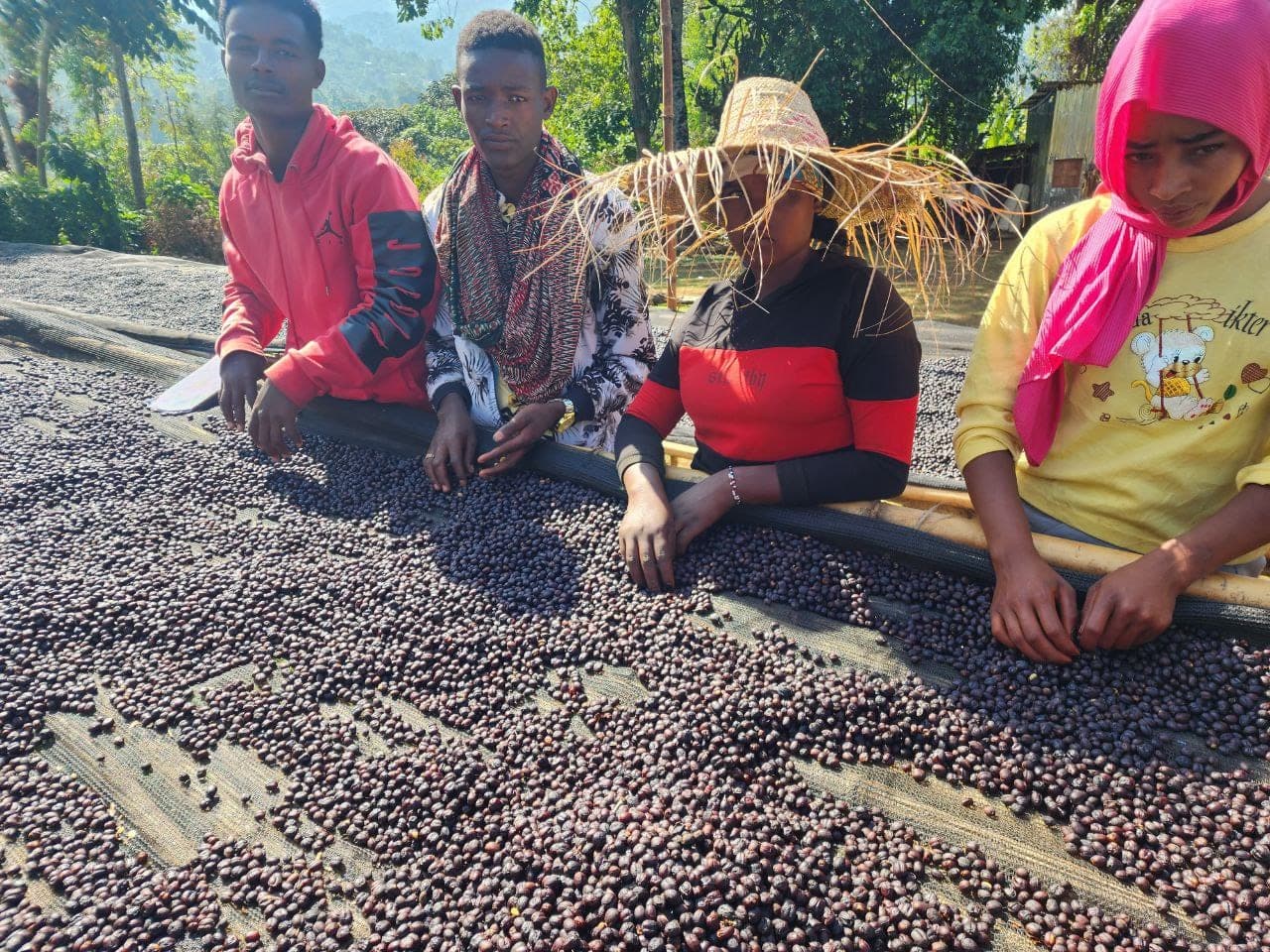
The whole cherry dries intact in the sun for several weeks, letting sugars and fruit juices ferment inside the fruit. Naturals are syrupy and explosive — blueberry, strawberry, tropical fruit — but unforgiving: a single over-ripe cherry can taint an entire lot. We hand-sort cherries before drying and turn the beds continuously.
Anaerobic fermentation
Cherries ferment in sealed tanks without oxygen, often for days, before drying. The result is unlike anything traditional processing produces: heavy, winey, sometimes spice-and-cacao flavors with a creamy texture. Anaerobic lots are small, experimental and highly sought after by roasters chasing competition coffee.
How we choose a process
- •Density and ripeness of the harvest — uniform, dense lots suit washing
- •Weather during harvest — stable dry windows favor naturals
- •Cupping results from small experimental micro-lots before scaling up
- •Roaster demand — competition lots often warrant anaerobic trials
You can filter every site we operate by its processing method — washed, natural or anaerobic — on the Our Sites page.