What Makes Ethiopian Specialty Coffee Different
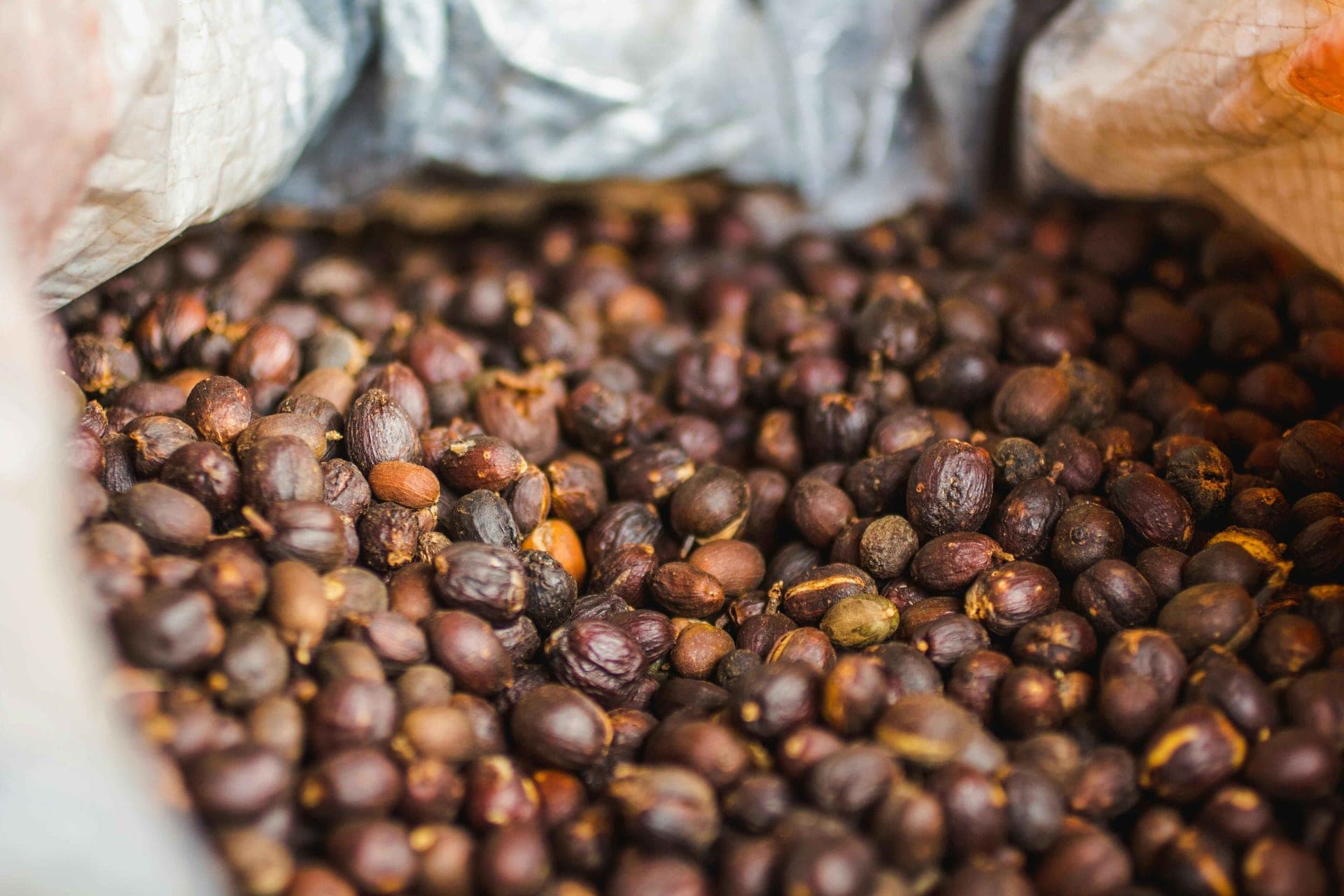
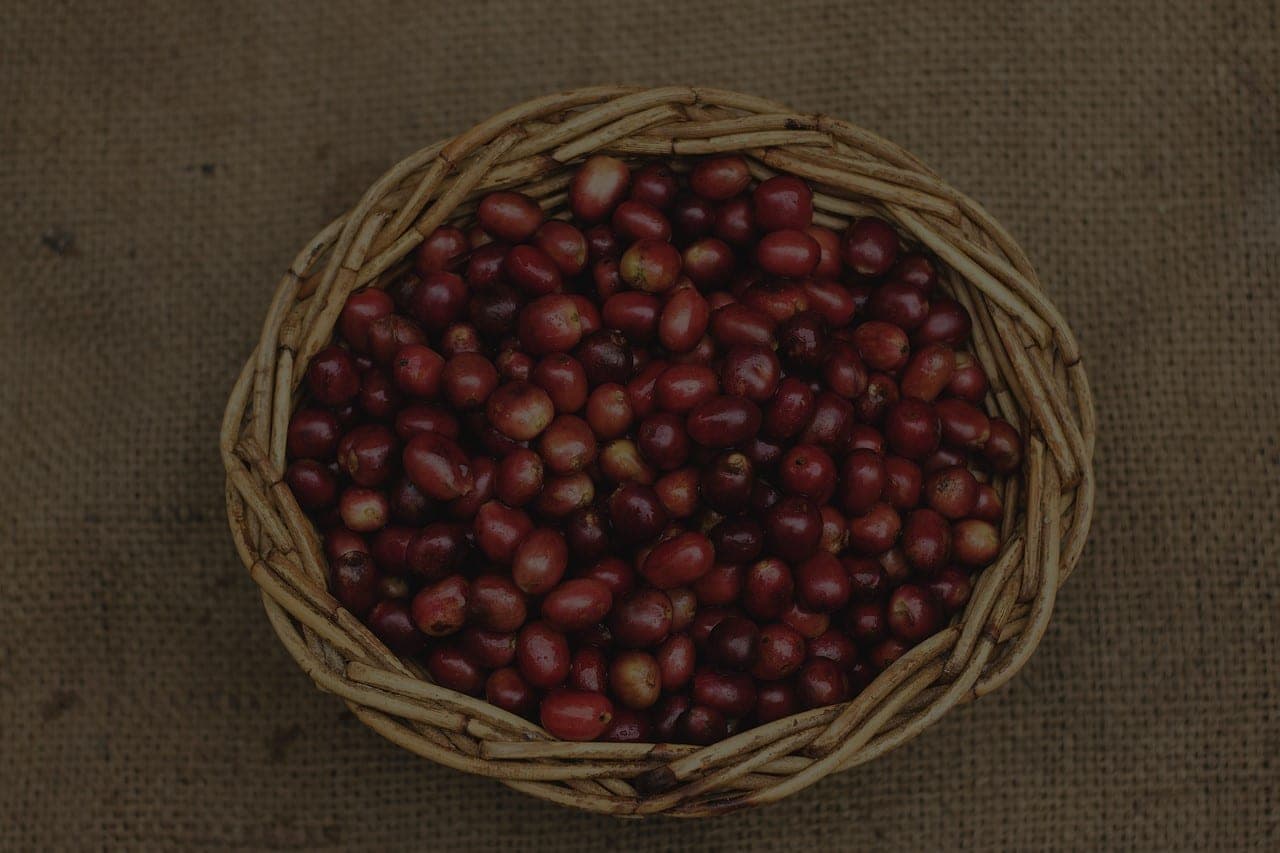
Ethiopia is the birthplace of coffee. The forests of the south-west highlands are the only place on earth where Coffea arabica grows wild, and that genetic diversity is the foundation of everything special about Ethiopian coffee.
Heirloom varieties you won't find elsewhere
While most coffee-producing countries rely on a handful of cultivated cultivars, Ethiopian smallholders grow thousands of locally adapted heirloom varieties — often mixed within a single farm. This genetic kaleidoscope is a big reason Ethiopian coffees express such vivid florals, stone fruit and citrus notes.
Altitude does the heavy lifting
- •High-grown coffee (1,900–2,400 m) matures slowly, concentrating sugars
- •Cool highland nights slow cherry development and raise density
- •Dense beans roast more evenly and cup with greater clarity
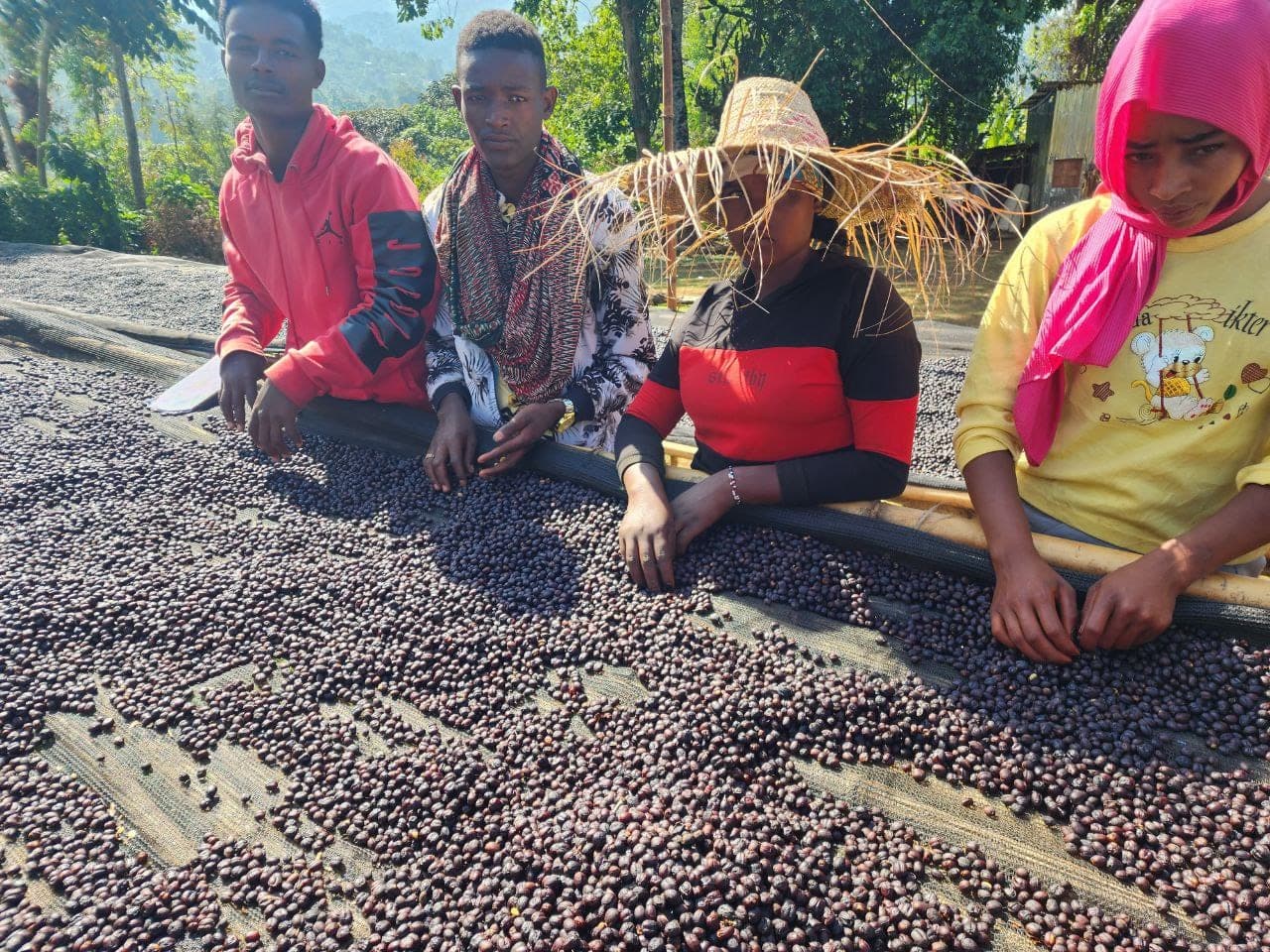
Our sites in the Nensebo Woreda of West Arsi sit between 2,100 and 2,400 meters — the upper edge of where coffee can grow. That extreme altitude, ancient forest canopy and iron-rich red soil produce cups with the distinctive jasmine-and-bergamot character the region is famous for.
A culture built around coffee
In Ethiopia coffee is not just a crop; it is a ceremony. The traditional buna ceremony — green beans roasted over coals, ground by hand, brewed in a jebena and served in three rounds — shapes how families harvest, sort and dry their coffee with genuine pride.
“Every bean carries the warmth of our sun and the soul of our highlands.”
— Tade Coffee field notes, Nensebo
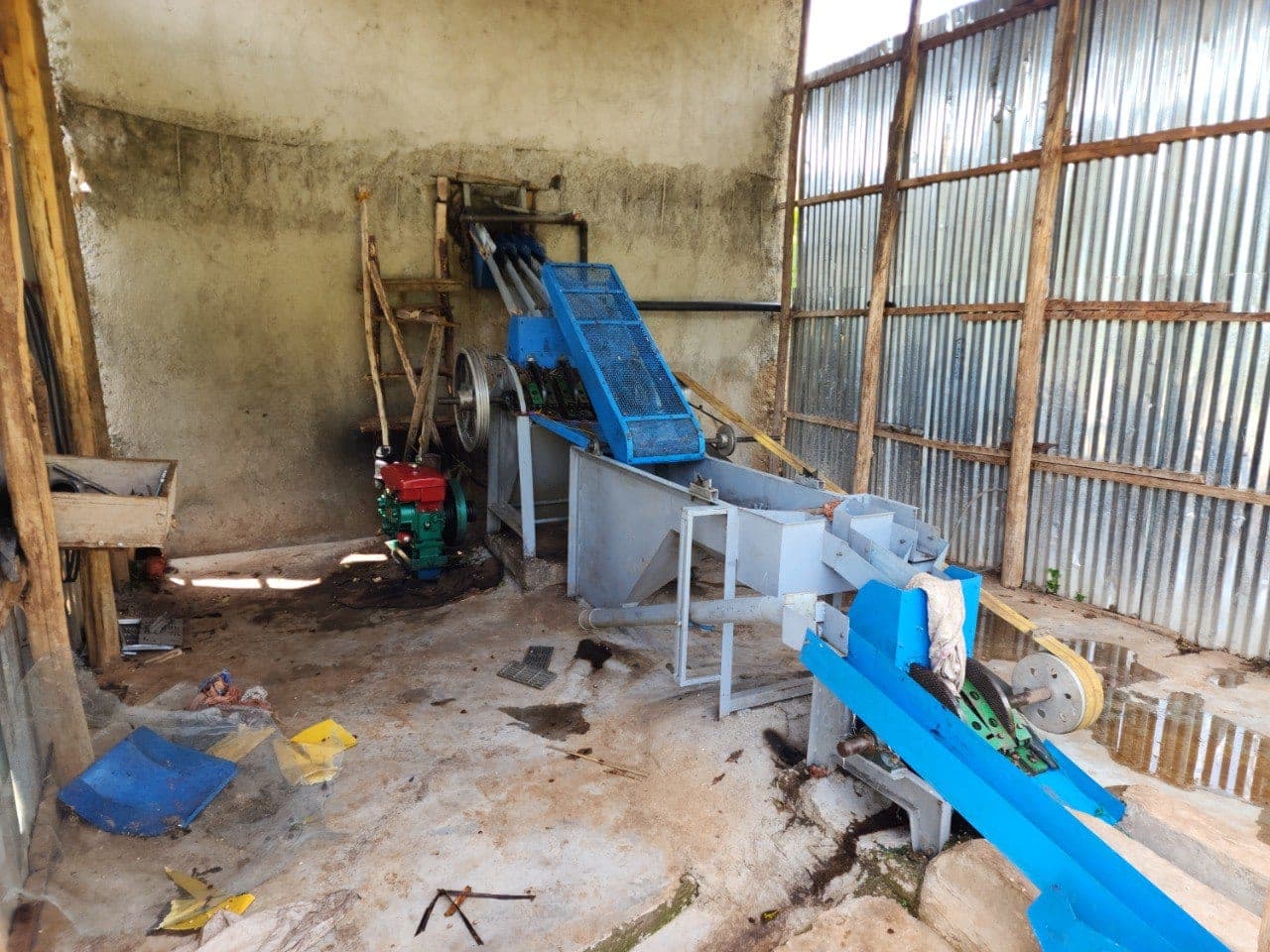
Want to taste the difference? Explore the washing and drying stations behind each lot on our Our Sites page, or contact us for current crop availability.